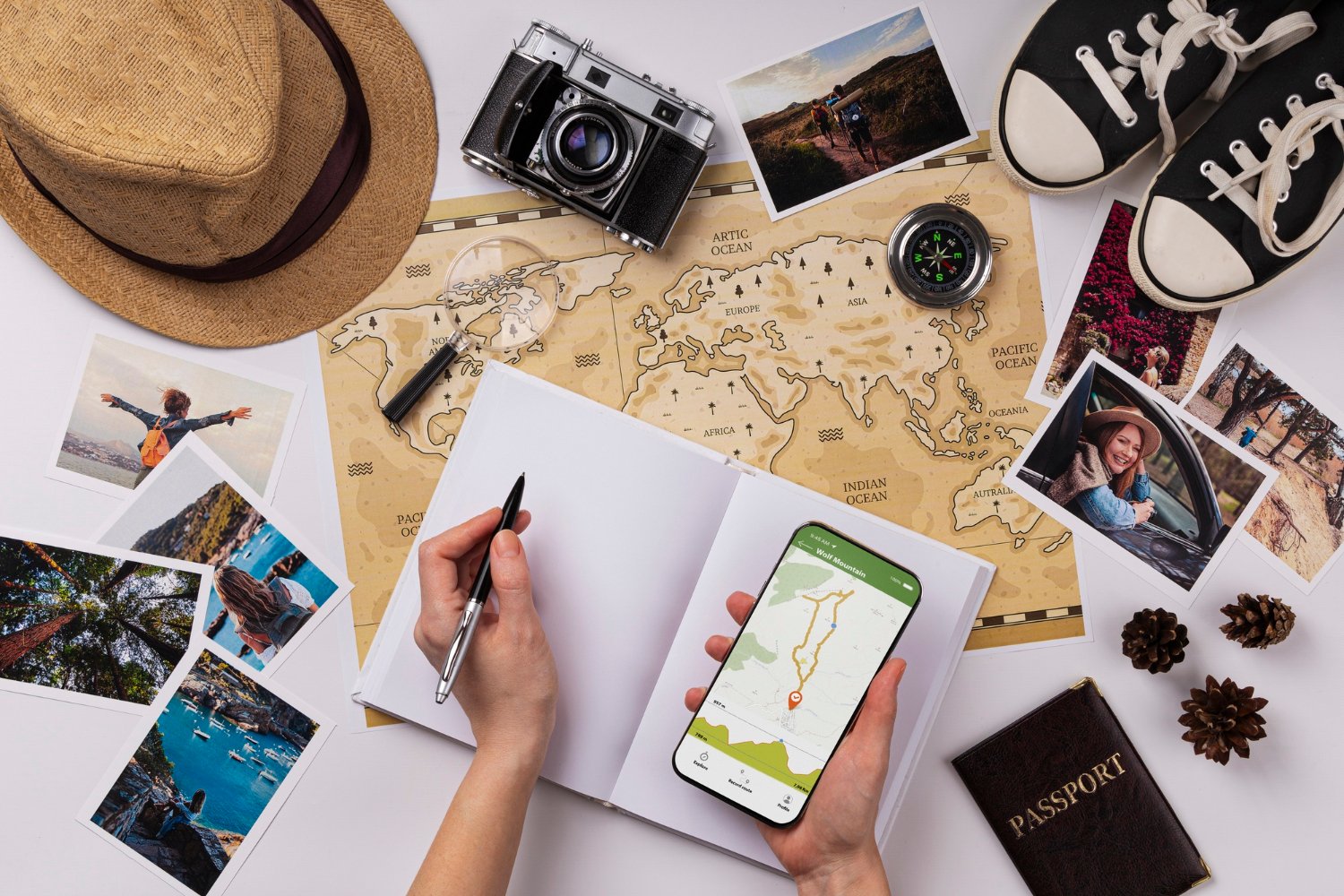
Timing can transform a good trip into an extraordinary one. Weather, crowds, and prices fluctuate dramatically throughout the year, affecting your travel experience significantly. This comprehensive guide reveals the best times to visit popular destinations, helping you plan perfectly timed adventures from the UK.
The busiest tourist period with highest prices, largest crowds, and best weather. Advance booking essential.
Periods just before or after peak season. Balanced weather, moderate prices, fewer crowds. Often the sweet spot for savvy travelers.
Lowest prices and smallest crowds, but weather may be less favorable. Great for budget travelers and those avoiding tourist masses.
Why: Dry season brings pleasant temperatures (25–30°C), low humidity, and minimal rainfall. Perfect beach weather and outdoor exploration.
November–January: Peak season for European visitors escaping winter. Book accommodations early, especially around Christmas and New Year.
February–March: Shoulder season with excellent weather and slightly fewer tourists. Great value and comfortable exploring.
Avoid: April–October (rainy season) brings heavy downpours, high humidity, and challenging conditions for sightseeing. However, prices drop significantly for budget-conscious travelers.
Events: Lagos Carnival (late November), Lagos International Jazz Festival (April), Eyo Festival (various dates).
Why: Spring and fall offer mild weather, blooming gardens or autumn colors, and manageable crowds. Perfect café weather and museum visits.
April–June: Spring in Paris is magical. Chestnut blossoms, outdoor café culture, and pleasant temperatures (15–20°C). Easter crowds but generally manageable.
September–October: Autumn provides stunning colors, wine harvest season, and "Paris Fashion Week." Comfortable temperatures and fewer tourists than summer.
July–August: Peak summer brings hot weather (25–30°C), maximum crowds, and many locals on holiday. Some restaurants close, but festivals abound.
Avoid: November–March sees cold, grey weather and short days. However, Christmas markets (late November–December) create a magical atmosphere. New Year in Paris is spectacular but crowded.
Events: Paris Fashion Week (February/March and September/October), Bastille Day (July 14), Nuit Blanche (October).
Why: Fall offers warmest, sunniest weather with minimal fog. "Indian Summer" provides peak conditions for outdoor activities.
September–November: Best weather of the year. Clear skies, warm temperatures (18–25°C), and less fog than summer. Ideal for Golden Gate Bridge views and Alcatraz visits.
March–May: Spring brings wildflowers and moderate temperatures, though fog increases toward summer. Good shoulder season value.
June–August: Paradoxically, summer is coldest and foggiest. Bring layers.
Avoid: December–February brings rain and cold (10–15°C). However, holiday decorations and fewer tourists appeal to some visitors.
Events: Chinese New Year Parade (February), Pride Month (June), Fleet Week (October), Outside Lands Music Festival (August).
Why: Cooler temperatures, lower humidity, and thinner crowds after holiday rush. Perfect theme park weather.
January–February: Post-holiday lull brings cheapest prices and shortest lines at theme parks. Mild temperatures (15–22°C) ideal for all-day park visits.
March–April: Spring break increases crowds but weather remains excellent. Book early for Easter period.
May–August: Peak summer brings extreme heat (30–35°C), high humidity, afternoon thunderstorms, and maximum crowds. However, summer brings extended park hours and special events.
September–December: Hurricane season (June–November) peaks August–October. Thanksgiving and Christmas are extremely crowded and expensive but offer special holiday events.
Events: Epcot International Festival of the Arts (January–February), Mardi Gras at Universal (February–April), Mickey's Not-So-Scary Halloween Party (August–October).
Why: Spring cherry blossoms and autumn foliage create stunning backdrops. Mild temperatures perfect for exploration.
March–May: Cherry blossom season (late March–early April) is spectacular but extremely crowded and expensive. Book 6–12 months ahead. Late April–May offers spring beauty with fewer crowds.
October–November: Autumn foliage rivals spring blossoms for beauty. Comfortable temperatures (15–20°C), clear skies, and manageable crowds. Excellent time for temples, gardens, and city exploration.
June–September: Hot, humid summer with rainy season (June–July). Typhoon risk August–September. However, festivals abound and you'll experience authentic summer Japanese culture.
December–February: Cold but generally dry (5–10°C). New Year (Shogatsu) is culturally significant but many attractions close December 29–January 3. Winter illuminations are stunning.
Events: Cherry Blossoms (late March–early April), Golden Week (late April–early May—avoid if possible), Sumida River Fireworks (July), Autumn Leaves (November).
Why: Spring and fall offer pleasant weather, vibrant seasons, and manageable crowds. Ideal for walking tours and outdoor activities.
April–June: Spring brings warm temperatures (15–25°C), blooming parks, and outdoor dining. Memorial Day weekend (late May) marks summer season start.
September–November: Fall foliage in Central Park is stunning. Comfortable temperatures, cultural season begins, and Thanksgiving preparations create festive atmosphere.
July–August: Hot, humid summer (25–35°C) with peak tourist crowds. However, free outdoor concerts, rooftop bars, and Shakespeare in the Park offer compensation.
December–March: Winter brings cold (0–10°C) and potential snow. However, Christmas decorations, ice skating, and New Year's Eve in Times Square are iconic. January–February offer lowest prices post-holidays.
Events: NYC Restaurant Week (January/February and July/August), New York Fashion Week (February and September), Macy's Thanksgiving Day Parade (November), Times Square New Year's Eve (December 31).
Why: Autumn and spring offer perfect beach weather, fewer crowds than summer, and comfortable temperatures for city exploration.
September–November: Spring brings wildflowers, whale watching (September–October), and warming temperatures (18–25°C). Ideal for coastal walks and outdoor activities.
December–February: Peak summer brings hot weather (25–30°C), school holidays, and maximum crowds. Perfect beach weather but expect busy attractions and higher prices. Christmas and New Year are major events.
March–May: Autumn provides beautiful weather, smaller crowds after summer rush, and cultural events. Ocean remains warm enough for swimming.
June–August: Winter brings cooler temperatures (10–18°C) and rain. However, whale watching season begins (June), Vivid Sydney light festival (May–June), and lower prices attract visitors.
Events: Sydney Festival (January), Mardi Gras (February–March), Vivid Sydney (May–June), Sculpture by the Sea (October–November).
Airlines release sales typically on Tuesdays. Sign up for price alerts and newsletters from Fly Air Deals for exclusive offers.
Tuesday–Thursday departures and returns typically cost less than weekend flights. Flexibility saves money.
UK half-terms, Easter, and summer holidays see massive price increases. Travel during term time when possible for significant savings.
Booking 2–3 months ahead usually offers best prices. However, last-minute deals occasionally appear for flexible travelers.
Consider these factors when choosing travel dates:
• Your priorities: Weather, crowds, prices, or events?
• Flexibility: Can you travel off-peak for savings?
• Personal circumstances: Work schedules, family commitments, health considerations
• Destination specifics: Monsoons, holidays, festivals
• Trip purpose: Relaxation, adventure, cultural immersion, or photography
The best time to visit any destination balances weather, crowds, prices, and personal preferences. While this guide provides general recommendations, your perfect timing depends on individual priorities. Shoulder seasons often provide optimal experiences—great weather, reasonable prices, and manageable crowds.
Ready to plan your perfectly timed adventure? Fly Air Deals offers expert advice, flexible booking options, and competitive prices year-round. Our team helps you choose ideal travel dates based on your priorities and budget.
Start planning your dream trip today with Fly Air Deals—where perfect timing meets exceptional value.

Disclaimer: In a professional context it often happens that private or corporate clients corder a publication to be made and presented with the actual content still not being ready. Think of a news blog that's filled with content hourly on the day of going live. However, reviewers tend to be distracted by comprehensible content, say, a random text copied from a newspaper or the internet. The are likely to focus on the text, disregarding the layout and its elements.
© Copyright 2026 Flights Deal. All rights reserved.